Potent does not mean predictable
Large average trial changes include wide individual variation. WellForm does not promise a percentage or number of pounds.


A Zepbound-specific patient guide
Learn what Zepbound can realistically do, who may be a candidate, how it compares with Wegovy, what treatment and side effects can feel like, current LillyDirect pricing, and WellForm local or virtual care.
Clinically relevant
Zepbound is an FDA-approved tirzepatide brand with substantial average weight reduction in trials.
Not an automatic fit
History, safety, tolerance, route, long-term access, and goals still determine appropriateness.
Two transactions
WellForm manages care; LillyDirect or another pharmacy dispenses and charges for Zepbound.
Why Zepbound is clinically relevant
Patients often arrive after seeing dramatic numbers. The page’s job is to show what those numbers mean—and what they do not decide.
Zepbound contains tirzepatide, a once-weekly medicine that activates GIP and GLP-1 receptors. It is FDA-approved with reduced-calorie nutrition and increased physical activity to reduce excess body weight and maintain weight reduction long term in adults who meet labeled criteria. Its label also includes treatment of moderate-to-severe obstructive sleep apnea in adults with obesity.
The brand is relevant because its clinical studies, dosage forms, instructions, warnings, and manufacturer pharmacy pathways are product-specific. That clarity is useful, but it does not make a prescription automatic. Candidacy, expected benefit, gastrointestinal tolerance, other medicines, pregnancy plans, access, and willingness to use long-term care all matter.
Large average trial changes include wide individual variation. WellForm does not promise a percentage or number of pounds.
A treatment that cannot be obtained consistently or afforded long term needs a backup strategy.

Effectiveness with context
In a 72-week Zepbound study of adults with obesity or overweight and a weight-related condition, without type 2 diabetes, the average change depended on assigned maintenance dose.
The label reports an average weight change of approximately -15.0% at week 72, compared with about -3.1% for placebo, alongside lifestyle intervention.
The studied fixed-dose group averaged approximately -19.5% at week 72. That result does not make 10 mg the right maintenance dose for every patient.
The highest studied group averaged approximately -20.9%. Individual results varied, and higher dose does not mean better individual tolerability or fit.
These label results come from a defined trial population and branded Zepbound. They do not apply automatically to people with diabetes, a different care plan, or compounded tirzepatide.
Zepbound versus Wegovy
A direct 72-week trial in adults with obesity without diabetes found greater average weight reduction with tirzepatide than semaglutide at maximum tolerated weekly doses. The best individual option still depends on more than the average.
Tirzepatide; weekly injection
Dual GIP/GLP-1 receptor activity, multiple injection presentations, and a LillyDirect self-pay pathway with dose-specific pricing.
Semaglutide; weekly pen or daily pill
GLP-1 receptor activity with both injection and tablet dosage forms and distinct product-specific labeled evidence.
The direct trial compared tirzepatide with injectable semaglutide—not oral Wegovy and not compounded products.
Who may be a reasonable candidate?
A BMI threshold alone is not the whole medical decision. Dr. Oben reviews why treatment is being considered, what could make it unsafe, and whether the long-term plan is realistic.
The treatment experience
Escalation is gradual because gastrointestinal tolerance matters. The visit rhythm should remain connected to what you actually experience.
Review history, current medicines, contraindications, goals, preferred presentation, and the pharmacy or LillyDirect destination.
Learn the exact pen, KwikPen, or vial process, storage, missed-dose boundary, symptom plan, and when to call.
Dose increases follow the label and only after the required time at the current dose, while response and tolerability guide maintenance selection.
Review weight trajectory, appetite, side effects, nutrition, activity, cost, supply, and whether benefit continues to justify treatment.
If response is limited or symptoms persist, the next step may be to hold, slow, change, or stop—not to accelerate automatically.
LillyDirect, insurance, and WellForm care
The current self-pay program is clear enough to plan around, but eligibility, refill timing, product presentation, and pharmacy terms still apply.
WellForm care
$150/month
Covers physician medication management and follow-up. Zepbound is paid separately to LillyDirect or another dispensing pharmacy.
WellForm care
$300/month
The local program may include InBody, UltraSlim, Ballancer, Power Plate, nutrition guidance, and optional Quest labs. Zepbound remains a separate pharmacy purchase.
LillyDirect self-pay
$299–$449/month
Current program pricing is $299 for 2.5 mg, $399 for 5 mg, and $449 for 7.5–15 mg when higher-dose refills meet the 45-day Journey Program timing. Supplies may be separate for some presentations.
Self-pay eligibility and terms apply. Higher-dose regular prices can be higher when refill timing is not met. Commercial insurance, savings cards, Medicare bridge rules, supply, and prescription approval are separate and not guaranteed.
What to expect and when to call
The goal is enough benefit with acceptable burden. Symptoms that undermine hydration, nutrition, or daily function deserve attention.
Contact WellForm for persistent vomiting, inability to hydrate, severe or worsening abdominal pain, gallbladder symptoms, marked constipation or distension, inability to pass gas, allergic symptoms, meaningful vision changes, or low-blood-sugar concerns with other diabetes medicine.
This summary is not the complete prescribing information or Medication Guide. Product-specific counseling occurs before treatment.
Treatment with Dr. Oben
WellForm manages the medical decision, escalation, response, side effects, nutrition and lean-mass context, and the moments when treatment needs to change.
Only if you are still comparing
Zepbound owns the brand-specific fit and access question. These pages provide adjacent depth.

The broader molecule-level treatment experience, semaglutide comparison, compounded distinction, and plateau management.
Continue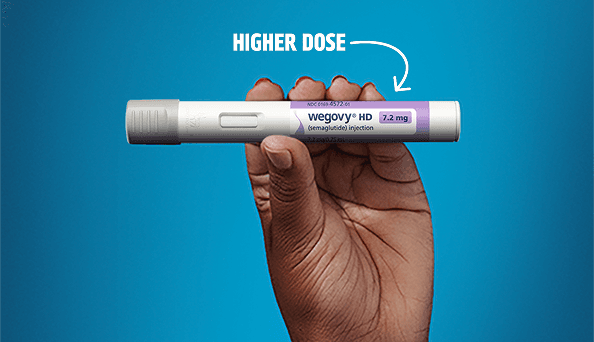
A semaglutide brand with both weekly pen and daily tablet forms, a different evidence base, and NovoCare access.
Continue
The full WellForm program, including physician supervision, local service inclusions, nutrition, and long-term care.
ContinueCurrent source set
The FDA label provides Zepbound efficacy and safety. SURMOUNT-5 provides the direct semaglutide comparison. LillyDirect provides current presentations and self-pay terms. WellForm records provide care fees.
Before requesting Zepbound
These answers keep the brand-specific decision in view.
A responsible next step
WellForm can review candidacy, current product and pharmacy options, self-pay or coverage questions, tolerability, escalation, and long-term follow-up without promising a prescription or result.