Response is broader than the scale
Hunger, fullness, meal size, cravings, energy, symptoms, and function help describe whether the plan is useful.


A semaglutide decision, not a brand glossary
Learn how semaglutide affects appetite, what treatment and titration can feel like, how it compares with tirzepatide, how WellForm manages side effects and plateaus, and current local or virtual costs.
What it changes
Semaglutide can reduce hunger and increase fullness through GLP-1 receptor signaling.
How it starts
Treatment is increased gradually. Tolerability matters more than racing toward a dose.
What care adds
Follow-up connects response, side effects, nutrition, activity, access, and long-term planning.
The patient question
The reason to consider semaglutide is not the brand name. It is whether GLP-1 receptor treatment may help make a medically supervised weight-management plan more workable.
Semaglutide acts like the GLP-1 signal at its receptor. In plain language, it can help the brain register fullness, reduce appetite, and slow stomach emptying. People often notice changes in hunger, portion size, food interest, or how long a meal feels satisfying. The experience varies, and gastrointestinal effects can arrive before the full benefit is clear.
Treatment is not a straight climb from a starting dose to the highest possible dose. The early months are an adaptation period. Dr. Oben reviews what is improving, what is difficult, whether administration is correct, and whether the next increase is appropriate. A slower path can be better than an aggressive path that makes treatment impossible to sustain.
Hunger, fullness, meal size, cravings, energy, symptoms, and function help describe whether the plan is useful.
Nutrition, hydration, activity, cost, and side effects all affect whether long-term treatment is realistic.

Mechanism in plain language
Semaglutide does not “melt fat.” It changes physiologic signals that can make a reduced-calorie eating pattern easier to maintain.
GLP-1 receptor signaling in the brain can reduce appetite and food preoccupation for some people.
Smaller portions may feel adequate, which can change meal planning and the pace of eating.
Delayed stomach emptying contributes to fullness and also helps explain nausea, reflux, constipation, or medication-absorption concerns.
Semaglutide is the active ingredient. Wegovy is an FDA-approved semaglutide product for weight management; other semaglutide brands and compounded products have different approved-use or regulatory status.
The first months
The practical question at each visit is whether the current plan is helping enough, tolerable enough, and feasible enough to continue.
Review history, current medicines, prior weight treatment, safety factors, goals, access, and whether a branded or compounded route can be appropriately considered.
Use the exact product instructions. Notice appetite, meal tolerance, bowel pattern, hydration, and any effect on other medicines.
Dose increases follow product-specific guidance and clinical judgment. A calendar alone does not overrule meaningful symptoms.
Continue, hold, adjust, switch, or stop based on response, side effects, goals, access, and the ability to support nutrition and activity.
WellForm follow-up is designed to catch the “in-between” decisions that a prescription-only transaction leaves unanswered.
Semaglutide or tirzepatide?
A direct trial in adults with obesity without diabetes found greater average weight reduction with tirzepatide than semaglutide at maximum tolerated doses over 72 weeks. That population result does not identify the better medicine for every individual.
GLP-1 receptor agonist
A well-established GLP-1 medicine with weight-management brand options in weekly injection and daily tablet forms.
GIP and GLP-1 receptor agonist
A once-weekly injectable medicine with dual receptor activity and strong head-to-head weight-reduction evidence in a defined trial population.
The head-to-head trial was open-label, involved adults with obesity without type 2 diabetes, and compared maximum tolerated doses. WellForm applies the evidence to the individual rather than promising the study average.
When the path gets complicated
The most valuable follow-up often happens when treatment is neither clearly failing nor clearly easy.
Candidacy and safety
Semaglutide products share an ingredient, but the complete label, dosage form, and clinical situation still matter.
Contact WellForm for persistent vomiting, inability to hydrate, severe or worsening abdominal pain, symptoms of gallbladder disease, allergic symptoms, meaningful vision changes, or constipation with distension or inability to pass gas. Tell procedure teams before anesthesia or deep sedation.
This summary does not replace the prescribing information or Medication Guide for the exact branded product, or the individualized counseling required for a compounded prescription.
Current WellForm semaglutide paths
WellForm offers compounded programs and brand-medication management. Product, source, dose band, eligibility, and payment are confirmed before treatment.
Virtual compounded program
From $220 first month
Derived from the canonical low-dose price less the current $25 first-month adjustment. See complete dose bands, discounts, and inclusions in the Pricing Center.
Ankeny compounded program
From $325/month
Includes medication, with price varying by dose band. The selected program may include InBody, UltraSlim, Ballancer, Power Plate, nutrition guidance, and optional Quest labs when appropriate.
Brand medication management
$150 virtual / $300 local
Any prescribed brand-name semaglutide is paid separately to the dispensing pharmacy. Local program support is confirmed before enrollment.
Compounded semaglutide is not FDA-approved and is not generic Wegovy. Availability, legality, product source, price, and eligibility are reconfirmed for the individual prescription. No medication, coverage, savings, or result is guaranteed.
A physician adds judgment
Dr. Oben can help you choose a pathway, interpret response, manage tolerability, and make a real decision when progress slows or access changes.
Route the next question
The semaglutide page owns the treatment experience. These related pages handle a narrower brand or molecule decision.
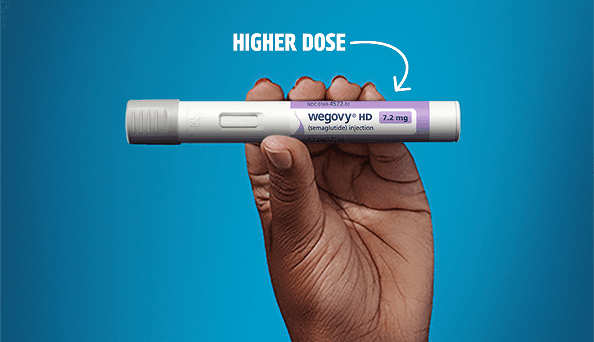
Compare Wegovy pen and tablet forms, access, current self-pay pathways, and what to know before choosing the brand.
Continue
Understand dual GIP/GLP-1 activity, head-to-head evidence, and the treatment experience for a different medicine.
Continue
See the complete WellForm program, physician role, local inclusions, and coordinated care beyond one medication.
ContinueCurrent sources
The Wegovy labels govern branded administration and safety. FDA compounding materials govern the distinction from unapproved compounded products. The direct trial supports a scoped comparison with tirzepatide.
Before choosing semaglutide
These answers frame the visit without replacing individualized medical advice.
A responsible next step
Request an evaluation to discuss candidacy, product source, route, cost, side-effect planning, and the follow-up you would receive from WellForm.